

Dr. Michele Borba is an educational psychologist, best-selling author, and TODAY show contributor who has spoken to over one million participants on five continents and to countless media about child development issues.
She blends 40 years of teaching and consulting experience with latest science to offer sound, realistic advice to parents teachers and child advocates about helping children thrive.
THRIVERS is in hardback, paperback, audio & digital.
“People say, ‘I wish kids would come with a manual.’ Well now they do…pick up this book.” — Dr. Phil
Dr. Borba will “visit” your book group when 20 copies with receipts of THRIVERS are purchased.
Contact Dr Borba for a book discussion or live or virtual speech for parents or educators.
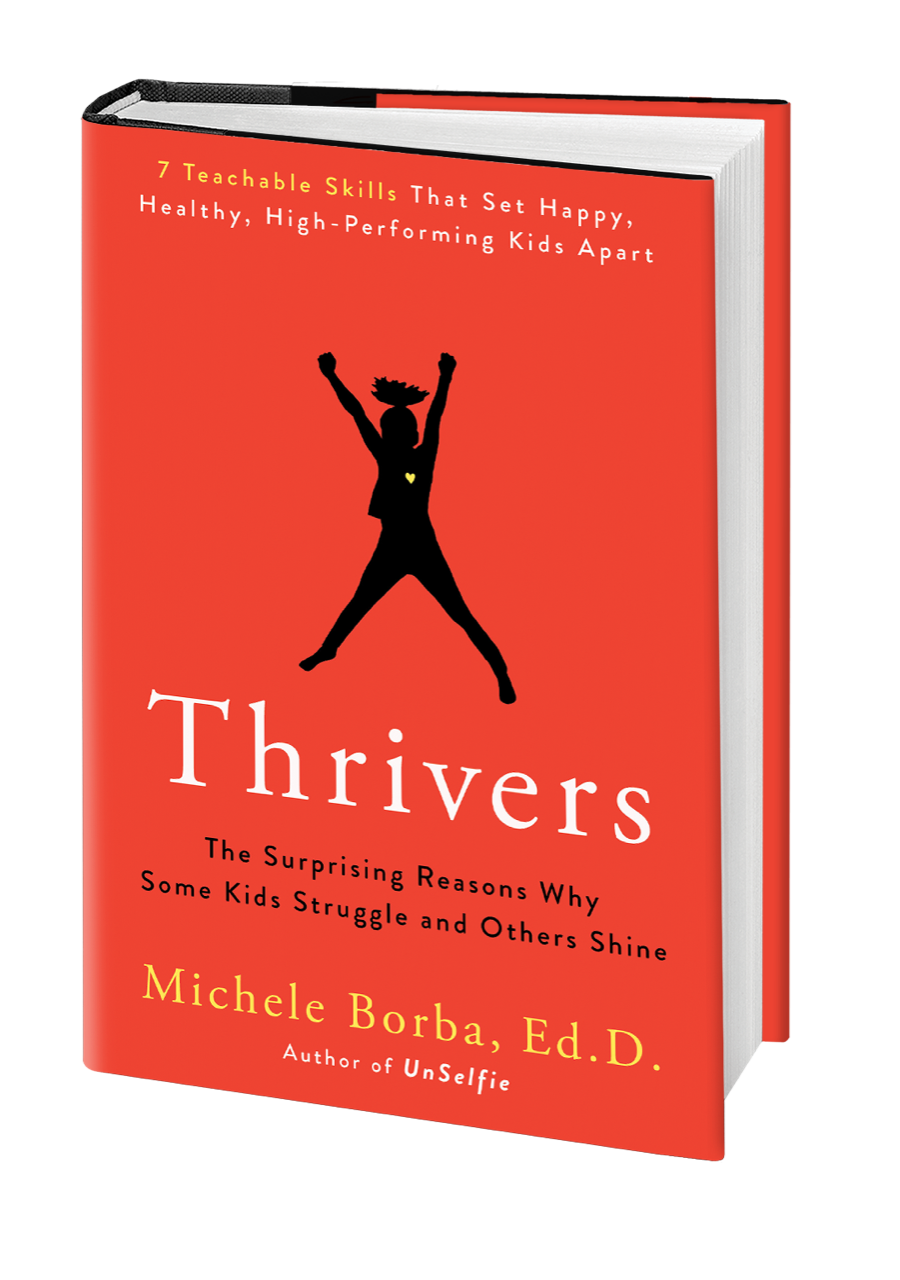
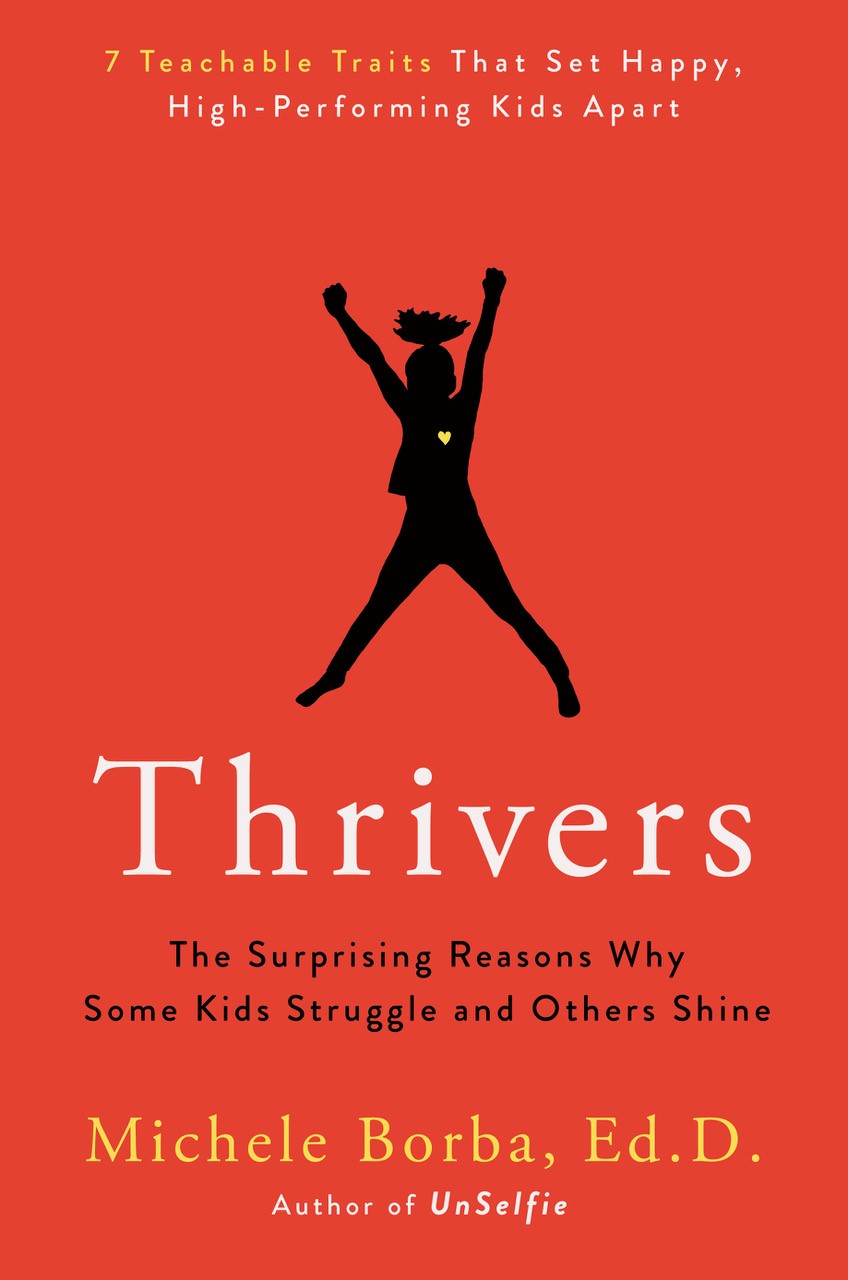
Thrivers
As seen on The Today Show, Dr. Phil, and The Doctors. Thrivers is an Amazon best seller.
Michele’s latest book is an urgently needed guide to address the staggering increase in anxiety, stress and emptiness for children from preschool to high school.
She explains why the old markers of accomplishment (grades, test scores) are no longer reliable predictors of success in the 21st century – and offers 7 teachable traits that will safeguard our kids for the future.
Those essential character strengths-confidence, empathy, self-control, integrity, curiosity, perseverance, and optimism-will allow kids to roll with the punches and succeed in life.
Thrivers Educator Discussion Guide
“Dr. Michele Borba combines her deep understanding of children with decades of research to offer the wise, practical guidance that parents urgently need today.”
– Lisa Damour, PhD, author of Untangled and Under Pressure
“A must-read for parents and anyone who works with kids. ”
– Amy Morin, author of 13 Things Mentally Strong Parents Don’t Do
“If you add one book to your parenting bookshelf this year, make it Thrivers.”
– Madeline Levine, Ph.D., author of The Price of Privilege, Teach Your Children Well, and Ready or Not
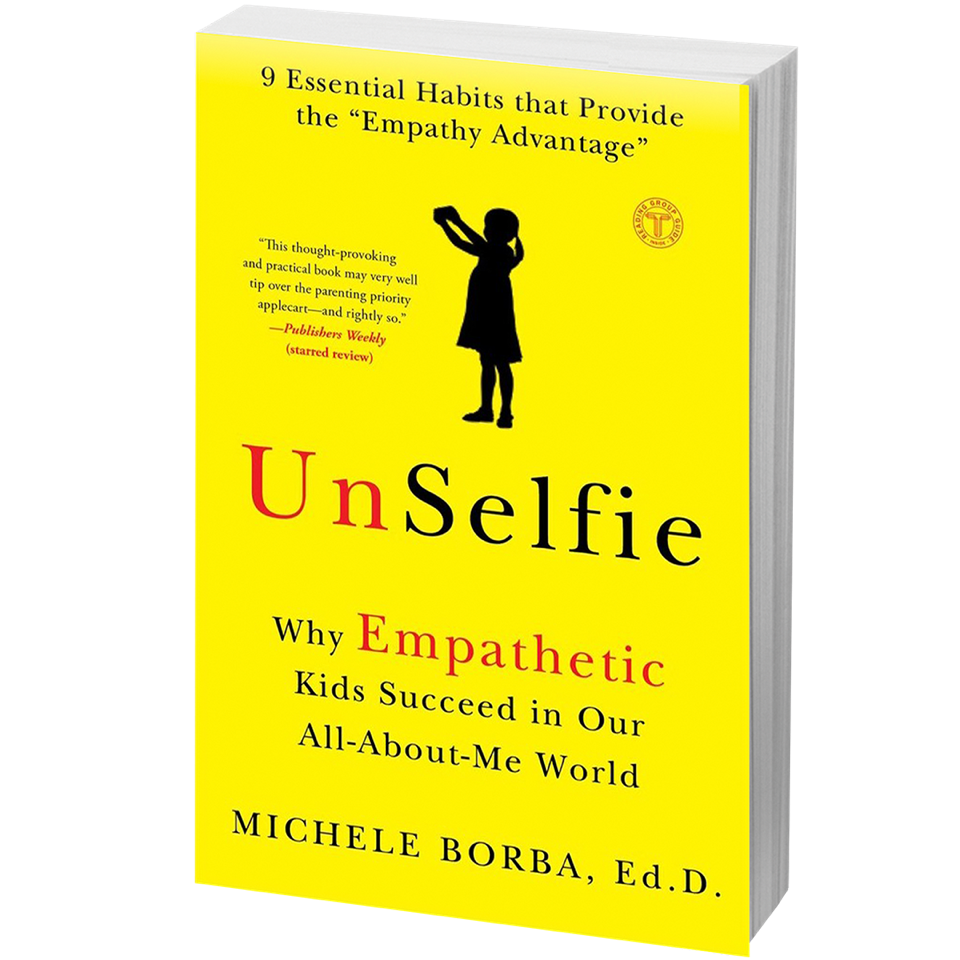
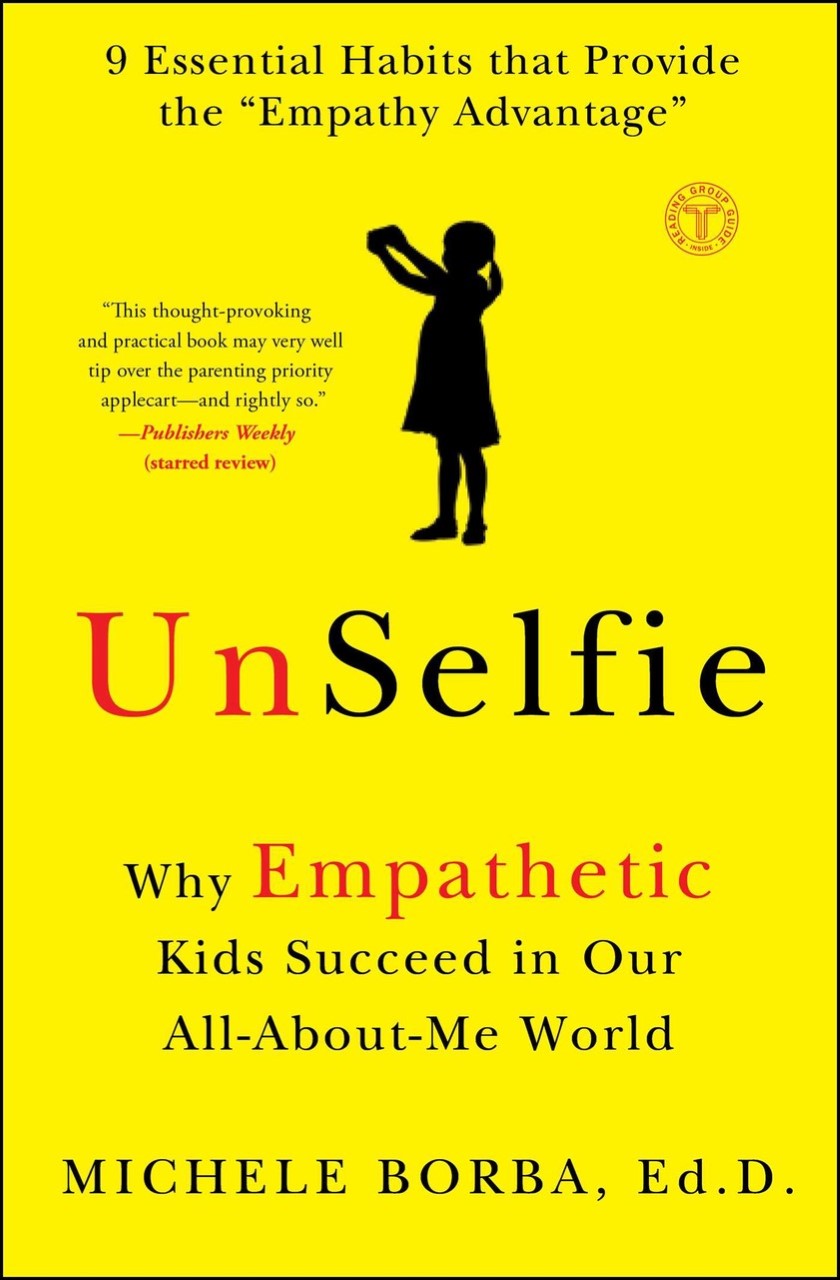
UnSelfie
Michele’s bestseller is a crucial guide to address the staggering decrease in empathy in children from toddler to teen. She pinpoints the cause of the empathy crisis and shares a revolutionary, research-based nine-step plan for reversing it that will yield the results we all want: successful, happy kids who also are kid, moral, courageous and resilient.
“Parenting expert Borba traveled the world and researched for decades before writing this fresh and powerful primer on raising caring kids. Her thought-provoking and practical book may very well tip over the parenting priority applecart – and rightly so.” – Publisher’s Weekly (starred review)
“In our time, and around the world, no one is a more trusted voice on character and child behavior than Michele Borba. No one is better equipped to help us raise more empathic, kinder, happier kids. – Thomas Lickona, PhD, Director, Center for the 4th and 5th Rs, (Respect and Responsibility) and author of Character Matters
Learn More
Read Michele’s Latest Articles

Helping Kid Perfectionists Feel “Good Enough”
Dr. Michele Borba offers parenting tips to help kids overcome perfectionism and the fear of never being good enough so will be more likely to thrive.
How to Talk to Kids About Tragedies
Dr. Michele Borba offers 11 tips parents, teachers and counselors can use to talk to kids about a tragedy to calm their worries.

7 Easy Stress Busters to Teach Kids and Help Them Thrive
Seven tools to help children learn to reduce stress and learn to thrive!

Raising Optimistic Kids in Pessimistic Times
Parenting tips to help kids be more optimistic especially in uncertain, anxious times. “I'm not studying. The whole world is falling apart.” "Why should I wear a mask? I'm just going to get that virus thing." “I don't want to go back to school. Nobody’s going to...
Books

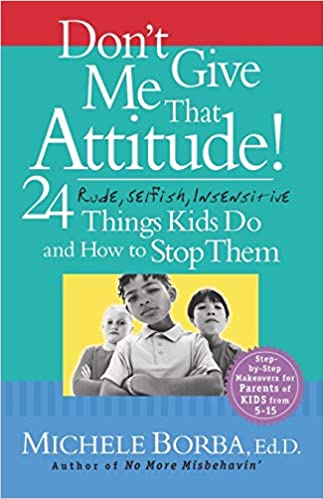
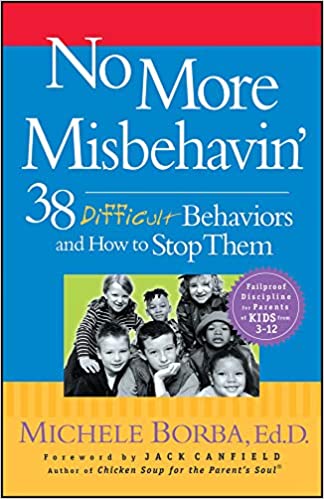

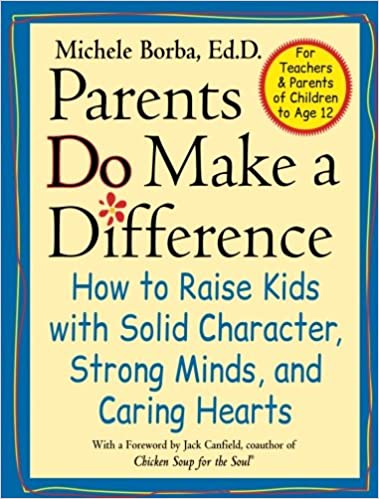
Recent Media Appearances
TODAY Show
How to help your kids combat anxiety and loneliness. I share CDC findings on rise of depression in kids.
View Here
TODAY Show
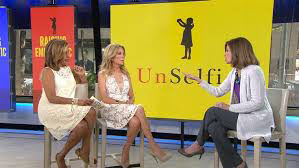
How to raise kids who are kind and empathetic. I discuss my book, UnSelfie and how we can raise empathic kids.
View Here
TODAY Show
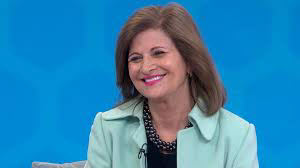
How failure teaches kids resilience and builds character. I chat with Hoda and Jenna about the importance of teaching kids how to fail.
View Here
Media
























Click here to contact Dr. Borba for speaking, media or spokesperson inquiries.